Caption Idea Best Caption
The dream of owning a business has never been more attainable than it is today. Thanks to the proliferation of digital tools, platforms, and global connectivity, launching an online business no longer requires deep pockets or years of preparation. Whether you’re a stay-at-home parent looking to generate additional income, a professional seeking to escape the corporate grind, or a creative soul eager to monetize your talents, the internet offers a level playing field where determination and strategy can trump capital.
This comprehensive guide explores every facet of starting a small online business with minimal financial investment. From conceptualization to execution, from attracting your first customer to scaling sustainably, you’ll discover actionable insights designed to transform your entrepreneurial aspirations into a thriving reality.
The New Era of Entrepreneurship
Traditional business ownership once demanded substantial resources: commercial real estate, physical inventory, staff salaries, and extensive overhead costs. These barriers kept entrepreneurship out of reach for countless individuals with brilliant ideas but limited funds. The digital revolution has fundamentally altered this paradigm.
Today, a teenager in a small town can launch a global brand from a bedroom. A retired professional can transform decades of expertise into a profitable consulting practice. A creative individual can sell artwork to customers on every continent without ever setting foot in a gallery. This democratization of commerce represents one of the most significant economic shifts in modern history.
The beauty of low-investment online businesses lies not merely in their accessibility but in their inherent advantages. Reduced financial risk means you can experiment, learn, and iterate without devastating consequences. Lower overhead translates to higher profit margins once revenue begins flowing. Geographic independence enables lifestyle flexibility that previous generations of business owners could scarcely imagine.
Discovering Your Business Concept
Every successful business begins with an idea that addresses a genuine need or desire in the marketplace. For low-investment ventures, the most promising concepts typically leverage what you already possess: knowledge, skills, creativity, or unique perspectives.
Mining Your Personal Assets
Consider what you bring to the table that others might value. Perhaps you’ve spent years mastering a particular software application, developing expertise in a professional field, or cultivating a hobby that others wish they could pursue. These existing competencies represent your most valuable startup capital.
Think about the questions people frequently ask you. When friends, family, or colleagues seek advice, what topics do they approach you about? These informal consultations often reveal monetizable expertise hiding in plain sight.
Examine your professional background through an entrepreneurial lens. Every career builds transferable skills that can form the foundation of an online business. Administrative experience translates into virtual assistance services. Marketing backgrounds enable social media consulting. Technical skills support freelance development or design work.
Identifying Market Opportunities
Passion alone doesn’t guarantee business success. Your concept must intersect with genuine market demand. This requires methodical research rather than assumptions.
Explore online communities where your potential customers congregate. Facebook groups, Reddit communities, industry forums, and social media platforms reveal unfiltered discussions about problems people face and solutions they seek. Pay attention to recurring complaints, frequently asked questions, and expressed frustrations. Each represents a potential business opportunity.
Analyze existing competitors in your contemplated space. Their presence confirms market demand while their weaknesses reveal opportunities for differentiation. Study their customer reviews to understand what buyers appreciate and what leaves them disappointed. These insights inform how you might position your offering more effectively.
Utilize free keyword research tools to gauge search interest in topics related to your concept. Google’s autocomplete suggestions reveal common queries. The “People Also Ask” section illuminates related questions. These digital breadcrumbs guide you toward concepts with proven demand.
Validating Before Investing
Before committing significant time or resources, test your concept with minimal investment. Create a simple landing page describing your proposed offering and drive small amounts of traffic to gauge interest. Conduct informal interviews with potential customers to understand their needs and willingness to pay. Offer a pilot version of your service to a handful of early adopters in exchange for feedback.
This validation phase might feel like an obstacle to eager entrepreneurs, but it serves a crucial protective function. Many promising concepts fail not because the underlying idea lacks merit but because execution misses the mark on customer expectations. Early validation enables course correction before significant investment.
Selecting Your Business Model
The structure of your business determines everything from daily operations to income potential. Several models particularly suit low-investment online ventures.
Service-Based Businesses
Offering services requires virtually no startup capital beyond your existing skills and basic equipment. Freelance writing, graphic design, web development, virtual assistance, bookkeeping, consulting, coaching, and countless other service categories enable immediate income generation.
The primary investment in service businesses is time: time to deliver quality work, time to communicate with clients, and time to market your offerings. This model suits individuals who prefer direct client interaction and possess marketable professional skills.
Service businesses face inherent scalability limitations since your income directly correlates with hours worked. However, they provide excellent foundations for eventually developing products or building agencies that employ others.
Digital Products
Creating digital products—ebooks, online courses, templates, software tools, stock photography, music, or design assets—requires upfront effort but yields ongoing passive income. Once created, digital products can be sold infinitely without additional production costs.
This model appeals to individuals with teachable expertise or creative abilities. A photographer can sell preset packs. A spreadsheet expert can create financial templates. A professional can distill career knowledge into comprehensive courses.
The initial investment involves time for creation and modest costs for platforms or tools. Distribution through established marketplaces reduces marketing challenges while capturing audiences already seeking similar products.
Affiliate Marketing
Affiliate marketing involves promoting others’ products and earning commissions on resulting sales. This model requires no product creation, inventory management, or customer service responsibilities.
Success demands content creation abilities—whether through blogging, video production, social media presence, or email marketing—to attract audiences and influence purchasing decisions. Building sufficient traffic to generate meaningful affiliate income takes time, but operational costs remain minimal.
Dropshipping and Print-on-Demand
These models enable selling physical products without inventory investment. Dropshipping involves marketing products that suppliers ship directly to customers upon purchase. Print-on-demand applies this concept to customizable products featuring your designs.
Both models eliminate inventory risk and upfront product costs. Your investment focuses on storefront creation, marketing, and customer acquisition. Margins tend to be thinner than traditional retail, but the absence of inventory overhead compensates accordingly.
Subscription and Membership Models
Recurring revenue businesses—membership communities, subscription boxes, software-as-a-service, or ongoing coaching programs—generate predictable income streams that facilitate planning and growth.
These models require significant upfront effort to create compelling ongoing value but reward that investment with customer retention and stable cash flow. Starting small with a minimum viable offering allows validation before extensive development.
Establishing Your Digital Presence
Your online presence serves as storefront, marketing platform, and credibility signal combined. Fortunately, creating a professional digital foundation has never been more affordable.
Building Your Website
Your website remains the hub of your online business, even if you also leverage social media and marketplace platforms. Ownership and control over this asset protect against algorithm changes and platform policy shifts that could otherwise devastate businesses built entirely on rented digital real estate.
Website creation options range from completely free to moderately affordable. WordPress powers roughly forty percent of all websites and offers remarkable flexibility at minimal cost. The software itself is free; you’ll invest in hosting services and a domain name, typically totaling under one hundred dollars annually.
E-commerce platforms like Shopify, WooCommerce, or BigCommerce provide specialized functionality for product-based businesses. Many offer free trials and affordable monthly plans suitable for startups. Marketplace platforms like Etsy or Amazon provide built-in audiences, charging fees only when sales occur.
Regardless of platform choice, prioritize professional presentation. Clean design, clear navigation, quality imagery, and compelling copy signal legitimacy to potential customers evaluating whether to trust you with their business.
Crafting Your Brand Identity
Branding encompasses far more than logos and color schemes, though these visual elements matter. Your brand represents the complete experience customers have with your business: the tone of your communications, the values you express, the personality you project.
For low-investment startups, brand development needn’t involve expensive agencies. Free design tools like Canva enable professional-quality visual asset creation. Your authentic voice and genuine commitment to customer satisfaction matter more than polished corporate aesthetics.
Define what your business stands for beyond profit generation. Articulate why you’re pursuing this venture and what you hope customers gain from engaging with you. This clarity informs every subsequent decision and communication.
Establishing Credibility
New businesses face inherent trust challenges. Potential customers naturally question whether unfamiliar entities will deliver promised value. Deliberately cultivating credibility signals accelerates customer acquisition.
Showcase any relevant credentials, experience, or achievements that establish your qualifications. Collect and prominently display testimonials from early customers. Create detailed policies addressing shipping, returns, and customer service to demonstrate professional operations.
Content creation itself builds authority. Blog posts, videos, podcasts, or social media content that genuinely help your audience establish expertise while providing value before any transaction occurs.
Marketing Without a Marketing Budget
Customer acquisition represents the primary challenge for any new business. Without customers, even the most brilliant products or services generate zero revenue. Fortunately, effective marketing doesn’t require substantial financial investment—though it does demand consistent effort.
Content Marketing Excellence
Content marketing involves creating valuable, relevant material that attracts and engages your target audience. Rather than interrupting people with advertising, you earn attention by providing genuine utility.
Blogging remains foundational for many businesses. Articles addressing your audience’s questions, solving their problems, or entertaining them attract search engine traffic and demonstrate expertise. Consistent publication builds an accumulated asset that generates traffic indefinitely.
Video content increasingly dominates online attention. YouTube functions as a search engine where users actively seek information and entertainment. Short-form video platforms like TikTok and Instagram Reels offer viral potential that can rapidly accelerate visibility.
Podcasting builds intimate connections with audiences during commutes, workouts, and daily routines. The medium suits expertise-sharing businesses particularly well, establishing host credibility through extended conversations.
Search Engine Optimization
Search engine optimization ensures your content appears when potential customers search for relevant terms. This discipline requires no financial investment but demands understanding and consistent application.
Research keywords your audience uses when seeking solutions you provide. Incorporate these terms naturally throughout your content while prioritizing genuine value over mechanical keyword insertion. Search engines increasingly evaluate content quality and user experience alongside technical factors.
Technical fundamentals matter as well. Ensure fast page loading, mobile responsiveness, secure connections, and logical site architecture. These factors influence search rankings while also improving user experience.
Building backlinks—links from other websites to yours—signals authority to search engines. Create content worthy of reference and engage in genuine relationship building with others in your space to earn these valuable endorsements.
Social Media Strategy
Social media provides direct access to potential customers without advertising expenditure. Success requires strategic platform selection and consistent engagement rather than attempting omnipresence across every network.
Identify where your target audience spends time online. Visual products suit Instagram and Pinterest. Professional services align with LinkedIn. Younger demographics favor TikTok. Community-building thrives in Facebook Groups. Focus your limited time on platforms most relevant to your business.
Provide value rather than constant promotion. Educational content, entertainment, behind-the-scenes glimpses, and genuine interaction build followings more effectively than repetitive sales messages. The relationships cultivated through authentic engagement convert to customers organically.
Email Marketing Power
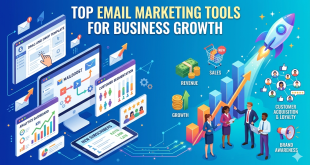
Email marketing consistently delivers the highest return on investment of any marketing channel. Unlike social media followers, email subscribers represent an owned audience insulated from algorithmic changes.
Offer compelling reasons for visitors to join your list. Free resources, exclusive discounts, valuable content series, or early access to new offerings incentivize subscription. Lead magnets—free items provided in exchange for email addresses—convert casual visitors into ongoing contacts.
Free email marketing platforms accommodate starting businesses until lists grow substantially. Mailchimp, Sender, and others provide generous free tiers enabling professional email campaigns without upfront costs.
Nurture subscribers with valuable content, not just promotional messages. Build relationships through helpful information, personal stories, and genuine engagement. When you do promote offerings, this established goodwill increases receptivity.
Managing Operations Efficiently
Operational efficiency directly impacts profitability, particularly in low-investment businesses where every dollar matters. Systematizing your operations from the beginning establishes foundations for sustainable growth.
Time Management Discipline
Your time represents your primary investment in a low-capital business. Treating this resource carelessly squanders your most valuable asset.
Establish dedicated working hours even when operating from home. The flexibility of online business can become a liability if work bleeds into every hour without producing proportionate results. Focused work sessions outperform scattered efforts across entire days.
Prioritize high-impact activities. Marketing efforts that attract customers, product development that increases value, and client delivery that generates referrals deserve attention before administrative tasks that feel productive but don’t drive growth.
Batch similar tasks to minimize context switching. Dedicate specific time blocks to email, content creation, customer communication, and other recurring activities rather than constantly shifting between them.
Automation and Tools
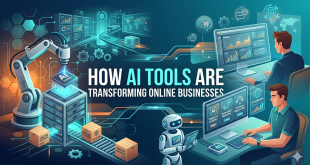
Numerous free and low-cost tools automate repetitive tasks, extending your productivity without extending your hours.
Social media scheduling tools enable batching content creation while maintaining consistent posting. Email autoresponders nurture leads automatically. Accounting software simplifies financial tracking. Project management tools organize tasks and deadlines.
Evaluate the true cost of tools by comparing subscription fees against time savings. A modest monthly investment that saves several hours weekly represents excellent value.
Financial Fundamentals
Maintain meticulous financial records from day one. Separate business and personal finances through dedicated accounts. Track all income and expenses for tax purposes and business insight.
Understand your tax obligations and set aside appropriate percentages of income. Self-employment involves different tax requirements than traditional employment. Consulting with an accountant, even briefly, prevents costly surprises.
Price your offerings appropriately. Many new entrepreneurs undercharge, undermining profitability and inadvertently signaling inferior quality. Research competitor pricing, calculate your costs and desired margins, and price confidently.
Navigating Common Challenges
Every entrepreneurial journey encounters obstacles. Anticipating common challenges prepares you to navigate them without derailing your progress.
The Patience Imperative
Most online businesses require months of consistent effort before generating significant income. This timeline frustrates entrepreneurs expecting rapid results but reflects the reality of building audience, credibility, and systems from scratch.
Prepare mentally and financially for this runway. Maintain income sources that sustain you during the building phase. Celebrate small victories that indicate progress even when revenue remains modest.
Isolation and Motivation
Solo entrepreneurship can feel lonely, particularly when working from home without colleagues. The absence of external structure demands internal discipline.
Build connections with other entrepreneurs through online communities, local meetups, or mastermind groups. These relationships provide support, accountability, and valuable knowledge sharing.
Establish routines that maintain motivation through inevitable difficult periods. Regular goal review, progress tracking, and connection with your underlying purpose sustain effort when immediate results disappoint.
Perfectionism Paralysis
The desire to launch perfectly polished offerings often prevents launching at all. Analysis paralysis and endless refinement become comfortable avoidance of market exposure.
Embrace minimum viable offerings that can be improved based on actual customer feedback. Imperfect action outperforms perfect inaction. Real market data guides improvement more effectively than theoretical speculation.
Growing Beyond Startup Phase
Success creates its own challenges. Scaling an online business requires evolving your approach while maintaining what made you successful initially.
Strategic Reinvestment
As revenue grows, reinvest strategically in growth accelerators. Paid advertising, premium tools, contractor assistance, or professional services can multiply your effectiveness once you’ve validated your model through organic efforts.
Reinvest thoughtfully rather than automatically. Evaluate the return on investment for each expenditure. Growth should enhance profitability, not merely increase revenue while consuming all gains.
Building Systems for Scale
Document your processes as you refine them. Written procedures enable eventually delegating tasks to others while maintaining quality standards.
Identify bottlenecks limiting your growth. Often these involve tasks only you can currently perform. Creating training materials or finding ways to eliminate these constraints unlocks scaling potential.
Team Building
Eventually, growth requires assistance beyond your individual capacity. Freelancers and contractors provide flexible support without employment complexity. Virtual assistants handle administrative tasks. Specialists contribute expertise in areas outside your strengths.
Hiring represents significant investment beyond direct compensation. Screen carefully, start with limited engagements, and build working relationships gradually before expanding responsibilities.
Embracing the Journey
Starting a small online business with low investment offers extraordinary opportunity but demands genuine commitment. The low financial barrier sometimes misleads aspiring entrepreneurs into underestimating the effort required.
Success comes to those who combine viable concepts with consistent execution over extended timeframes. There are no shortcuts to building genuine value, loyal customers, and sustainable operations.
Yet the rewards justify the journey. Beyond financial returns, entrepreneurship develops capabilities, creates freedom, and generates profound satisfaction from building something meaningful.
The tools, platforms, and knowledge required to succeed have never been more accessible. The only remaining question is whether you’ll seize this opportunity to build the business and life you envision.
Begin today. Start small. Learn continuously. Persist relentlessly. Your future business awaits.